Retro Christmas Clipart, Hand Drawn
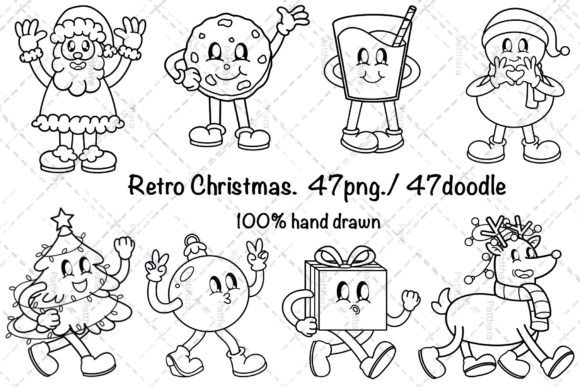
When I first opened the folder for Retro Christmas Clipart, Hand Drawn, I wasn't just looking at a collection of images; I was evaluating a potential asset for my next batch of holiday merchandise. As a designer who spends more time in embroidery software than on social media, my initial reaction is always practical: does this translate well from screen to fabric? The mood here is unmistakably nostalgic, evoking that cozy, mid-century winter wonderland feel. It isn't trying to be modern or minimalist. Instead, it leans into warmth, charm, and a slightly imperfect aesthetic that screams "handmade." This visual personality suggests it belongs best on items that celebrate tradition, like family heirlooms, boutique gifts, and vintage-inspired apparel.
From Screen to Stitch: Real-World Application
The true test of any design file happens when you move it out of the digital realm and into the hoop. Imagine you are an Etsy seller preparing for the holiday rush. You have decided to launch a line of custom embroidered tote bags and kitchen towels featuring seasonal motifs. In this scenario, Retro Christmas Clipart, Hand Drawn performs exceptionally well. The hand-drawn quality of the illustrations softens the rigid lines often found in vector art, which translates beautifully when stitched. On a canvas tote bag, the whimsical nature of the clipart adds character without overwhelming the simple background. It feels personal, like something a grandmother might have stitched herself, which is exactly the emotional connection customers seek when buying handmade goods.
I also envision this design working perfectly on baby clothing. There is a specific tenderness to retro aesthetics that parents love for nursery decor and infant wear. When applied to a onesie or a soft cotton blanket, the gentle curves of the Illustrations create a sense of comfort. However, this is not a one-size-fits-all solution. If you are designing for a high-end corporate holiday gift, the playful vibe might need to be balanced with more formal typography to maintain brand consistency. But for a small shop product or a craft fair item, the charm is its greatest strength.
Navigating Fabric and Texture Challenges
While the artistic vision is strong, the technical execution requires careful consideration of your materials. Not all fabrics play nice with every design style. For instance, if you plan to use Retro Christmas Clipart, Hand Drawn on a stretchy knit fabric like a sweatshirt, you must be vigilant about stabilizer choice. The design likely contains elements that require density to hold their shape. Without adequate backing, the stitching could pucker, ruining the delicate hand-drawn look that makes this asset special.
Texture is another factor that demands attention. Embroidering on a heavily textured fabric, such as a thick fleece or a bouclé wool, can obscure the finer details of the clipart. The needle might struggle to penetrate deeply enough to lay down clean stitches, leading to a muddy appearance where the fill stitch and satin stitch blend together unintentionally. Similarly, thin fabrics like silk or lightweight rayon present a risk of distortion unless you use a tear-away stabilizer correctly. If you are creating an embroidered patch to be sewn onto a jacket, the stability of the base material becomes even more critical to ensure the final product holds up to wear and tear.
Optimizing for Clarity and Customer Trust
In the world of commercial embroidery, clarity equals professionalism. A customer who sees a crisp, well-executed design assumes the maker cares about quality. Conversely, a design that looks sloppy or has lost detail due to poor digitization can damage your reputation. With Retro Christmas Clipart, Hand Drawn, the key lies in how you manage the stitch density. Because these are hand-drawn assets, they often contain varying line weights. When converting this into a machine embroidery design, you must ensure that the thinner lines do not disappear under heavy fill stitches, nor should they become so sparse that they look unfinished.
This balance directly impacts the perceived value of your finished product. A well-stitched retro Christmas motif on a premium tea towel justifies a higher price point because it signals craftsmanship. It elevates the item from a generic mass-produced good to a unique piece of decor. Furthermore, the nostalgic theme triggers a sense of recognition and joy, which drives buyer engagement. People want to buy gifts that tell a story, and this design offers a narrative of warmth and tradition that resonates deeply during the holiday season.
Strategic Placement and Design Assets
Where you place the design matters just as much as the design itself. While it works wonderfully on large surfaces like aprons, pillow covers, and blankets, caution is required for smaller applications. Trying to cram a detailed hand-drawn illustration into a tiny hoop size on a cap or a baby hat can lead to frustration. The intricate corners and fine details may get lost, resulting in a blobby mess rather than a charming image. If you are selling personalized products, ensure the text and graphics are scaled appropriately to fit the available space without crowding.
For digital product sellers, this collection serves as excellent design assets. You can use high-quality mockups to showcase how the embroidery file would look on various backgrounds before committing to production. Creating printable mockups that show the design on both light and dark fabric helps buyers visualize the final result. This transparency builds trust and reduces returns caused by mismatched expectations. It allows you to demonstrate the versatility of the machine embroidery design across different categories, from holiday embroidery projects to custom apparel for local businesses.
Essential Designer Notes for Success
Before you rush to start your next project, there are a few non-negotiable steps to ensure success. First and foremost, always test the design on scrap fabric that matches your intended final material. This step is crucial for checking thread color contrast. A design that pops on a white background might vanish on a cream or pastel shade, or conversely, become too harsh on a dark fabric. Adjusting your thread colors based on this test can make the difference between a dull finish and a vibrant one.
You must also inspect the small details closely. Look for any areas where the running stitch might break or where the density is too high for the fabric type. If the design includes lettering, verify that the font remains legible after stitching. Additionally, confirm whether the license terms allow for commercial use. Many creators assume they can sell finished items made with purchased designs, but some licenses restrict this. Always read the fine print regarding commercial embroidery rights before listing your products on platforms like Etsy or your own website.
Finally, consider the longevity of the product. Items that require frequent washing, such as kitchen towels or children's clothes, need robust stitching. Ensure the stabilizer used provides enough support to prevent the design from distorting over time. By treating Retro Christmas Clipart, Hand Drawn with the same care you would give any professional commission, you ensure that your handmade products stand out for their quality and charm. Whether you are a hobbyist making gifts for neighbors or a seasoned entrepreneur scaling your business, this design offers a versatile foundation for creating memorable, festive creations.