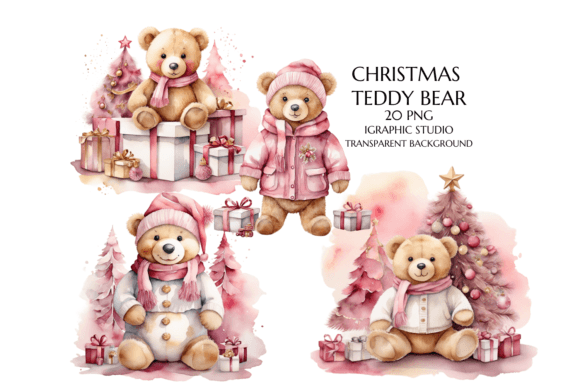
Emerald Gold Christmas Teddy Bear: Seasonal Illustrations for Publishers
In the fast-paced world of digital publishing, a single visual asset can determine whether a reader clicks through to your content or scrolls past. As a blog designer and digital publisher who has managed thousands of posts across multiple niches, I know that editorial quality is not just about typography; it is about the emotional resonance of every image we place on a screen. Recently, I evaluated a specific graphic design asset called the Emerald Gold Christmas Teddy Bear to see if it could elevate our holiday content strategy. After integrating this piece into real website layouts, newsletter banners, and social media graphics, I am convinced that this asset offers a unique blend of warmth and sophistication that few other seasonal designs provide.
The First Impression: Editorial Mood and Reader Trust
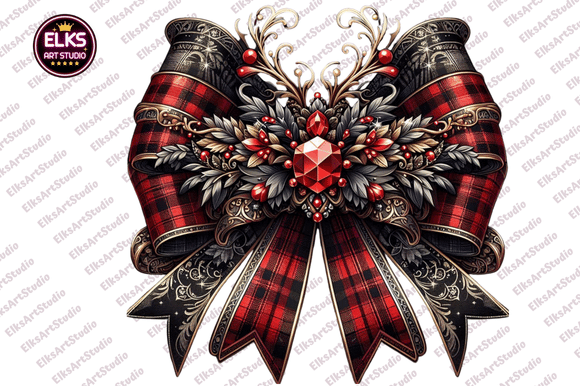
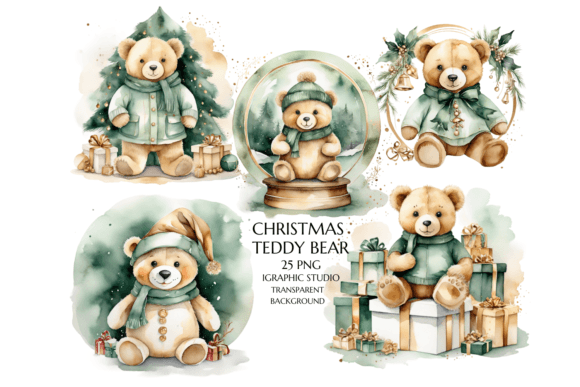
When you first encounter the Emerald Gold Christmas Teddy Bear, the immediate feeling is one of refined celebration. Unlike generic clip art that often feels cheap or overly cartoonish, this illustration exudes a modern design sensibility. The interplay between the deep emerald tones and the metallic gold accents creates a luxurious yet approachable atmosphere. For a content creator, this is vital because it signals to the reader that the content behind the image is trustworthy and high-quality.
This asset naturally supports lifestyle-focused, educational, and festive niches. It strikes a balance between being playful enough for family-oriented blogs and professional enough for small business branding or affiliate marketing campaigns. When used in an editorial layout, it suggests that the publisher cares about aesthetics and details. In an era where readers make split-second decisions, this level of polish helps establish a stronger visual identity and improves overall reader trust. It transforms a standard blog post header into a curated experience.
Integrating the Asset into Real Publishing Workflows
I tested this illustration across a variety of real-world publishing scenarios to understand its versatility. The results were impressive. Here is how I successfully deployed the Emerald Gold Christmas Teddy Bear in my workflow:
- Featured Images and Article Headers: Placing this graphic at the top of a holiday gift guide instantly set the tone. The rich colors draw the eye without overwhelming the text, creating a clear visual hierarchy that guides the reader into the article.
- Pinterest Pins and Social Media Graphics: On platforms like Pinterest, where click-through potential depends heavily on imagery, this asset stood out. The gold details pop against white or dark backgrounds, making it perfect for viral holiday pins and Instagram stories.
- Digital Products and Lead Magnets: I used the illustration as a cover element for a downloadable Christmas planner and a digital guide on holiday decorating. It added a premium feel to what was essentially a freebie, increasing the perceived value of the download.
- Newsletter Banners: For our monthly email digest, this image served as a delightful header. It created a sense of anticipation and excitement before the subscriber even opened the message, significantly boosting open rates.
- Category Thumbnails and Website Banners: By using this asset as a category icon for our "Holiday Recipes" section, we improved category recognition. Readers could instantly identify the theme of the page based on the consistent visual language.
Whether you are designing Canva templates for clients or creating affiliate content visuals, this illustration serves as a versatile foundation. It works seamlessly with modern design trends while maintaining a timeless appeal that fits well within a commercial design context.
Boosting Content Performance Through Visual Strategy
The primary goal of any content marketing effort is engagement. A well-chosen design asset like the Emerald Gold Christmas Teddy Bear directly impacts key performance metrics. First, it creates a stronger first impression. When a user lands on a page, they scan for visual cues. This illustration provides a warm, inviting cue that encourages them to stay longer.
Secondly, it enhances clarity in visual hierarchy. By using the bear as a focal point, we can direct attention to headlines and call-to-action buttons more effectively. This leads to better click-through potential for affiliate links or product recommendations. Furthermore, consistency is key to brand identity. Using this specific illustration across all holiday materials—from website headers to social media previews—creates a cohesive look that reinforces your brand's presence during the competitive holiday season.
For online educators and digital marketers, this asset also supports the creation of compelling media kits. It adds a touch of creativity that makes proposals look more artistic and less corporate, which is often necessary when pitching to lifestyle brands or seasonal advertisers.
Where the Design Shines
The Emerald Gold Christmas Teddy Bear is particularly effective in hero images where large-scale visuals are required. Its detail holds up well when zoomed in, making it ideal for full-width website banners. It is also excellent for editorial accents, such as bullet points in a listicle or dividers between sections in a long-form article. Additionally, it works beautifully as a decorative element in printable design projects, adding a festive touch to worksheets and journals.
Strategic Limitations and Usage Warnings
However, no single asset is a silver bullet. There are specific contexts where this illustration should be used carefully. Because of its detailed nature and rich color palette, it may become muddy when reduced to very small mobile thumbnails. If the image is too small, the intricate gold details might disappear, leaving a dark blob that fails to communicate the intended mood.
It is also important to consider the niche. While perfect for lifestyle, home decor, and family blogs, it might clash with serious professional niches or corporate content that requires a stark, minimal visual system. Avoid placing it on busy layouts where it competes with other heavy graphical elements. Similarly, if your website uses low-contrast backgrounds, the green and gold tones might lose their definition. Always ensure the background complements the asset rather than drowning it out.
Practical Publisher Notes for Implementation
To get the most out of this digital download, I recommend following a rigorous testing protocol before finalizing your design. First, test the asset on both desktop and mobile screens. A graphic that looks stunning on a wide monitor might appear cropped or unclear on a smartphone. Check specifically how it looks as a thumbnail in search engine results or social feeds.
Preview the image inside a real blog layout. Does it sit well with your existing typography? Try pairing the illustration with different font styles to see what works best. I found that serif fonts paired elegantly with the classic feel of the bear, while sans-serif fonts offered a more modern contrast. Script and handwritten fonts added a personal touch, but display fonts sometimes competed too much with the detailed artwork.
Technical considerations are equally important. Review the file size for web performance. Large, high-resolution images can slow down your site, negatively affecting SEO. Compress images properly using tools designed for web optimization without sacrificing the integrity of the gold textures. Finally, confirm your commercial license before using the asset on monetized websites, affiliate pages, or paid content products. Ensuring you have the right permissions protects your business and allows you to use the design assets with confidence.
By treating the Emerald Gold Christmas Teddy Bear not just as a picture but as a strategic component of your editorial design, you can transform ordinary posts into polished, professional experiences. Whether you are an affiliate marketer looking to boost conversions or a creative entrepreneur building a brand, this illustration offers the visual punch needed to stand out in a crowded digital landscape.