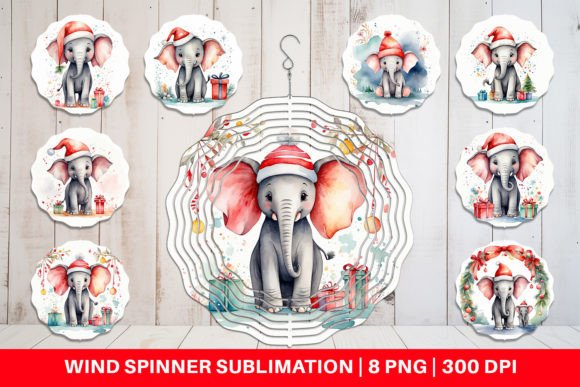
Christmas Tree Wind Spinner Sublimation Review
As a designer who has spent years turning digital files into tangible, stitched treasures, I approach every new asset with a mix of excitement and skepticism. When I first opened the Christmas Tree Wind Spinner Sublimation file, my immediate reaction wasn't about the festive theme alone, but about how it would translate from a screen to a needle. This piece falls squarely into the Illustrations category, yet its potential goes far beyond simple decoration. It feels like a design that was born for movement, which makes me wonder: can static embroidery capture that same whimsical energy? In this review, I am putting this design through the wringer of real-world application to see if it holds up in your next custom apparel project or boutique product line.
The First Stitch: Visual Personality and Mood
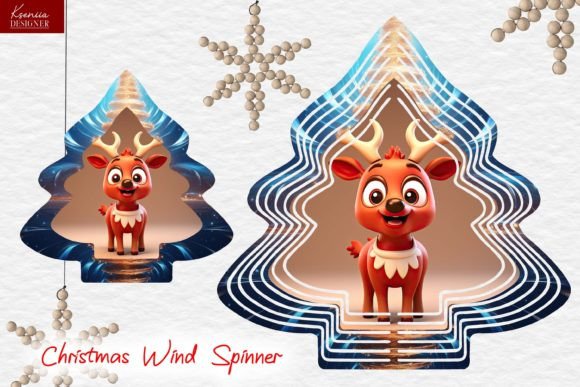
The moment you lay out the design on your workspace, the mood is undeniably cheerful. The Christmas Tree Wind Spinner Sublimation captures a specific kind of holiday magic—the kind found in childhood memories of spinning ornaments catching the light. Unlike traditional tree motifs that are often stiff or overly symmetrical, this design breathes. It suggests motion even before the machine starts humming. For an embroidery designer, this is a crucial starting point. Does the layout support the stitching process? The answer is yes, provided you understand the flow.
The visual personality here is playful yet elegant. It avoids the cluttered look of many holiday designs by leaving enough negative space around the central figure. This breathing room is vital when converting a sublimation-ready image into a machine embroidery file. It prevents the final product from looking muddy or overwhelmed by thread. Whether you are planning a custom apparel piece or a home decor item, the design naturally invites the eye to follow the curve of the spinner, creating a focal point that feels organic rather than forced.
Real-World Application: From Screen to Tote Bag
Let's talk about a specific scenario that many of us face: preparing a batch of handmade gifts for the holidays. Imagine you are an Etsy seller or a craft fair vendor working on a limited run of embroidered tote bags for local clients. You need something that stands out on a shelf but doesn't require hours of intricate hand-stitching. This is where Christmas Tree Wind Spinner Sublimation shines as a practical choice.
I envision taking this design and placing it on a sturdy canvas tote bag. The contrast between the dark fabric and bright thread colors would make the spinner pop, instantly communicating a festive vibe without being tacky. Because the design has a distinct shape, it works beautifully as a standalone graphic on the front panel. However, I also see potential in using it for smaller items like baby onesies or nursery pillow covers. The soft curves of the spinner fit well with the gentle aesthetic of baby products, making it a perfect candidate for a personalized gift.
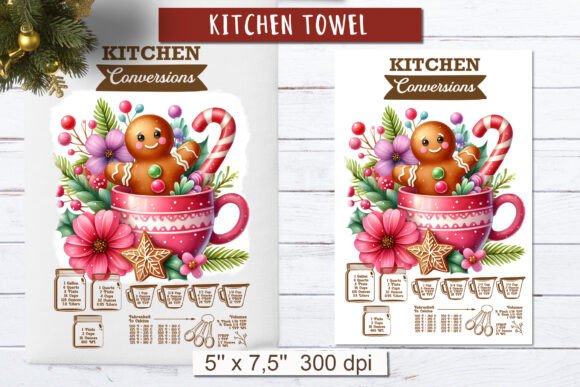
But what about commercial use? If you are running a small shop selling holiday embroidery kits or finished goods, this design offers versatility. It could serve as the centerpiece for a kitchen towel set, adding a touch of whimsy to the cooking space. The key here is how customers react. A design that looks good in a digital mockup must hold up in reality. In this case, the clean lines and clear definition of the spinner ensure that the finished product maintains a high level of professionalism. Buyers trust designs that look intentional and well-executed, and this file delivers on that promise.
Technical Considerations and Fabric Choices
While the design is promising, a seasoned reviewer knows that success lies in the details. Not every fabric plays nice with every pattern. When evaluating Christmas Tree Wind Spinner Sublimation for actual production, we must consider the texture of the material. On smooth fabrics like cotton twill or denim, the stitches will lie flat and crisp. However, if you attempt this on a heavily textured fabric like a thick fleece or a bouclé knit, the fine details might get lost. The machine may struggle to pull the thread through the bumps, leading to uneven coverage.
Stretchy fabrics present another challenge. If you are designing for a sweatshirt or a cap, the elasticity of the material can distort the shape of the spinner during the stitching process. To combat this, you need a reliable stabilizer. I strongly recommend testing the design on scrap fabric first to gauge the necessary tension. Without proper stabilization, the stitch density might cause puckering, ruining the fluid look of the wind spinner. Additionally, be cautious with dark fabrics. While they offer great contrast, you may need to adjust your thread colors or add a underlay stitch to prevent the base fabric from showing through the lighter threads.
Where to Use Caution
There are specific situations where this design requires careful handling. Small hoop sizes are a primary concern. If you try to fit this entire illustration into a 4x4 inch hoop, you risk losing the delicate details at the edges. The spinner's dynamic shape might get cut off or compressed, diminishing its impact. Similarly, curved surfaces like baseball caps can be tricky. The curvature changes the angle of the needle entry, which can alter the appearance of the fill stitches. If you are creating an embroidered patch or a hat logo, consider simplifying the outer edges slightly to accommodate the curve.
Dense stitch areas should also be monitored. If the design includes heavy fill sections, running them too close together can create a stiff, board-like texture that detracts from the garment's comfort. This is particularly important for baby embroidery, where softness is paramount. Always check the thread color contrast against your background. A design that looks vibrant on a white screen might appear dull on a navy blue shirt if the thread shades aren't chosen carefully. Testing in black and white mockups can help you visualize the value contrast before you ever load the spool.
Professional Tips for the Creative Entrepreneur
For those of you building a craft business or selling design assets, attention to detail is your brand's backbone. Before committing to a large production run, inspect the small details of the Christmas Tree Wind Spinner Sublimation. Are there any tiny lettering elements that might become illegible? Do the decorative accents have enough spacing to avoid tangling? These questions separate a hobbyist from a professional.
Confirming licensing is another non-negotiable step. If you plan to sell finished items featuring this design, ensure you have the appropriate commercial rights. Many digital products come with restrictions on how they can be used. Verify whether the license allows for resale of physical goods or if it is limited to personal projects. This protects your reputation and ensures you are operating legally within the commercial embroidery landscape.
Finally, think about the presentation. How does this design enhance the perceived value of your product? A well-executed tote bag design or sweatshirt embroidery can justify a higher price point because it signals quality. The visual appeal of the wind spinner adds a layer of uniqueness that mass-produced items lack. By paying attention to the fabric texture, choosing the right thread colors, and ensuring proper stabilization, you transform a simple digital file into a cherished keepsake.
In conclusion, Christmas Tree Wind Spinner Sublimation is more than just a pretty picture; it is a versatile tool for the modern maker. It balances festive charm with technical feasibility, making it an excellent addition to your library of embroidery files. Whether you are crafting a one-off gift for a loved one or scaling up for a boutique collection, this design offers the flexibility and beauty needed to elevate your work. Just remember to test, stabilize, and respect the limits of your materials, and you will find that this spinner spins smoothly in your hands, bringing joy to everyone who sees it.