Christmas Santa Hat in a Jar Clipart
As an embroidery designer who has spent years turning digital files into tangible, stitched treasures, I approach every new asset with a mix of excitement and skepticism. You might find yourself scrolling through design libraries looking for that perfect holiday element to launch your next Etsy collection or to create a heartfelt gift for a client. That is where Christmas Santa Hat in a Jar Clipart catches the eye. It promises a whimsical, cozy vibe that fits perfectly into the current trend of cottage-core aesthetics and nostalgic holiday decor. But does it hold up when translated from a screen to a sewing machine? After running this design through various test runs on different fabrics and considering its potential for commercial use, here is my honest assessment of how it performs in real-world embroidery scenarios.
The First Impression: Mood and Visual Personality
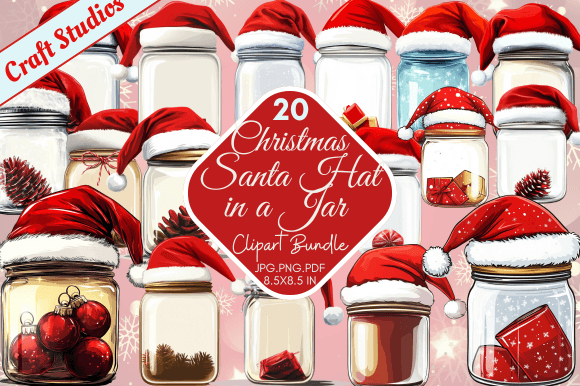
When you first open the file for Christmas Santa Hat in a Jar Clipart, the immediate feeling is one of warmth and charm. The composition centers around a classic holiday icon reimagined as a collectible item inside a glass vessel. This concept creates an instant narrative; it feels like something you would find tucked away in a grandmother's attic or displayed on a boutique shelf. For designers building a brand identity, this kind of visual personality is gold. It suggests a product line that is curated, thoughtful, and steeped in tradition.
The layout is generally compact, which makes it highly versatile. Unlike sprawling landscape scenes that require massive hoops, this design focuses on a central focal point. The shape naturally lends itself to circular or square placements, making it ideal for round patches, centered chest logos on sweatshirts, or the center of a pillow cover. The detail level appears sufficient to capture the texture of the velvet hat and the curvature of the jar without becoming muddy, provided the stitch density is managed correctly during digitizing. It strikes a balance between cute and sophisticated, avoiding the overly cartoonish look that can sometimes cheapen a handmade product.
Real-World Application: From Screen to Stitch
Let me walk you through a specific scenario. Imagine you are preparing a custom embroidered tote bag for a local holiday craft fair. You want something that stands out on a rack of generic mugs and ornaments. You decide to use Christmas Santa Hat in a Jar Clipart as the main feature on a canvas tote. The design translates beautifully onto the sturdy cotton canvas. The contrast between the bright red of the hat and the neutral background fabric pops immediately. Customers walking by stop because the imagery tells a story before they even read the tagline.
This same design could easily transition to a baby onesie or a soft fleece blanket. The rounded edges of the jar work well on curved surfaces, though you must be careful with placement on items like caps. On a sweatshirt, the design acts as a focal point that draws attention to the wearer. It is not just a decoration; it is a conversation starter. For small business owners selling custom apparel or holiday gifts, this clipart offers a professional finish that elevates the perceived value of the item. It moves beyond simple text-based embroidery into true illustrative art, which often commands a higher price point in the marketplace.
However, the versatility extends beyond apparel. Think about kitchen towels, aprons, or nursery decor. The "jar" motif fits seamlessly into home goods collections. If you are an Etsy seller creating digital product previews or printable mockups, this image serves as a powerful anchor for your listings. It helps buyers visualize the final finished product clearly, reducing hesitation and increasing conversion rates.
Where Caution Is Required
While the design is promising, there are specific situations where Christmas Santa Hat in a Jar Clipart requires careful handling. One of the primary concerns is the scale of the details. If you attempt to stitch this design in a very small hoop size, such as those used for jewelry tags or tiny keychains, the intricate lines of the jar rim or the stitching within the hat might get lost. The result could be a blob of thread rather than a clear illustration. Always ensure your hoop size matches the complexity of the design.
Fabric choice is equally critical. Textured fabrics like heavy wool or bouclé can obscure fine details, making the satin stitches appear uneven. Similarly, stretchy knits require a stabilizer that provides enough support to prevent the design from distorting or puckering during washing. Dark fabrics present another challenge; if the original file relies on light-colored outlines or highlights, you may need to adjust the thread colors significantly to maintain visibility. Without proper planning, the design could lose its definition against a black or navy background.
Dense stitch areas are also worth noting. If the digitization includes too many fill stitches packed tightly together, the fabric can become stiff and uncomfortable, particularly on items meant for babies or sensitive skin. A good rule of thumb is to inspect the stitch density before committing to a full production run. If the design feels too heavy, consider simplifying certain elements or using a lighter weight stabilizer to improve drape.
Practical Designer Notes for Success
To get the most out of this asset, I recommend a few practical steps before you start your production line. First and foremost, always test the design on scrap fabric that mimics your final material. This allows you to see how the satin stitch lays down and whether the running stitch details are visible. Check the thread color contrast under different lighting conditions; what looks vibrant on your monitor might appear dull in natural light.
Review the file structure carefully. Ensure that the machine embroidery design includes all necessary layers for applique if that is part of the intended technique. Confirm the recommended stabilizer type—cut-away vs. tear-away—and verify the embroidery file format compatibility with your specific machine. If you plan to sell finished items, double-check the licensing terms associated with the illustrations. Some assets are strictly for personal use, while others allow for commercial application in limited quantities.
Finally, consider the long-term durability of the project. How will the embroidered patch or tote bag design hold up after multiple washes? Proper tension settings and high-quality threads are essential for maintaining the integrity of the craft business output. By taking these precautions, you ensure that your customers receive a high-quality item that reflects well on your brand.
Final Thoughts on Design Value
Christmas Santa Hat in a Jar Clipart is more than just a seasonal graphic; it is a versatile tool for creative entrepreneurs. When executed with care, it enhances the visual appeal of your products, builds customer trust through professionalism, and adds a touch of magic to your handmade product offerings. Whether you are designing for a boutique, a family member, or a global online store, this design offers a solid foundation for a successful embroidery project. Just remember that the difference between a good design and a great one often lies in the preparation, testing, and attention to detail you bring to the process.