Christmas Highland Cows in Bucket Review
As a designer who has stitched thousands of hoops and reviewed countless digital assets for my own shop, I approach every new download with a mix of excitement and skepticism. You never know if a design will translate beautifully from a screen to fabric until you actually run it through the machine. Recently, I put Christmas Highland Cows in Bucket to the test to see if it holds up as a viable asset for real-world projects. This isn't just about looking cute; it is about whether this specific illustration works as a functional machine embroidery design that adds value to your handmade products.
First Impressions and Visual Personality
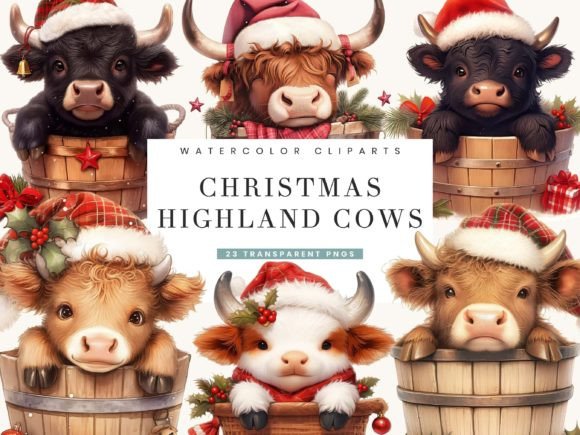
The moment I opened the file preview, the mood was immediately set. The Christmas Highland Cows in Bucket concept is undeniably whimsical, blending the rugged charm of highland cattle with the cozy, festive spirit of the holidays. Unlike generic snowman or reindeer motifs, this piece offers a unique visual personality that stands out in a crowded market like Etsy or craft fairs. The layout feels balanced, with the bucket acting as a natural anchor for the composition. It creates an instant sense of narrative, suggesting a story of winter adventures without needing any text. For a small business owner or a creative entrepreneur, this kind of distinct character is gold. It moves beyond simple decoration and becomes a brand element that customers can recognize instantly.
Real-World Application: The Tote Bag Scenario
To truly evaluate this design, I needed a practical scenario. I decided to use Christmas Highland Cows in Bucket on a custom embroidered tote bag intended for a holiday boutique client. The goal was to create a gift item that felt personal yet professional enough for retail. When placing the design on the canvas tote, the scale worked perfectly. The bucket shape provided a contained area that prevented the stitching from feeling scattered across the large fabric surface. The cows peeking over the rim created a delightful focal point that drew the eye immediately.
I found that this embroidery file excels on structured items like totes, aprons, and kitchen towels. The sturdy nature of these fabrics handles the stitch density well, allowing the details to pop without distorting the material. Imagine this design on a baby onesie for a holiday photo prop, or perhaps as a decorative accent on a sweatshirt pocket. The versatility here is significant. It bridges the gap between a simple hobbyist project and a polished commercial embroidery product ready for sale. The finished product had a tactile quality that made the gift feel substantial and thoughtful, which is exactly what buyers want when they purchase personalized gifts.
Stitch Clarity and Texture
One of the most critical aspects of any digital embroidery file is how the stitches interact with the fabric texture. In my testing, the Christmas Highland Cows in Bucket utilized a mix of satin stitches for the outlines and fill stitches for the bodies, creating a nice contrast in texture. The running stitches used for the background details added depth without overwhelming the main subject. However, the success of this look depends heavily on thread color selection. Using high-contrast threads against the fabric ensures that the intricate details of the cows' fur are visible. If the thread colors are too similar to the fabric, the design loses its impact, turning a charming illustration into a muddy patch. Always review the thread palette before committing to a full production run.
Where Caution is Required
While this design is robust, it is not a universal fit for every project type. There are specific scenarios where using Christmas Highland Cows in Bucket requires careful consideration. For instance, attempting to stitch this on a curved surface like a baseball cap might be challenging. The curvature can distort the bucket's circular elements, making the cows look slightly misaligned unless the hoop placement is perfect. Similarly, small hoop sizes are generally ill-suited for this design. If the final dimensions are too small, the fine details of the cows' faces may get lost in the stitching process, resulting in a loss of character.
Thin or stretchy fabrics also pose a risk. Without adequate stabilizer support, the tension required for the fill stitches could cause puckering, ruining the clean lines of the bucket. Dark fabrics require a different approach as well; while they can look stunning, the thread coverage needs to be dense enough to prevent the dark background from showing through the lighter cow details. If you are planning to use this on a light-colored garment, ensure the underlay is sufficient to prevent the fabric from showing through the white or light threads. These nuances separate a professional finish from a amateur attempt.
Impact on Product Value and Brand Consistency
In the world of handmade goods, visual appeal directly correlates to perceived value. A well-executed embroidery project elevates a basic item into a premium product. The Christmas Highland Cows in Bucket design, when stitched correctly, signals quality and attention to detail. Customers are more likely to trust a seller whose work shows precision and care. This design helps build brand consistency by offering a cohesive look across different product lines, from apparel to home decor. Whether you are selling a standalone embroidered patch or a fully customized sweatshirt embroidery, the design maintains its integrity.
Furthermore, the uniqueness of the theme aids in buyer engagement. Holiday shoppers are constantly bombarded with traditional imagery. Offering something like highland cows in a bucket provides a refreshing alternative that sparks conversation. It makes the item memorable, increasing the likelihood of repeat business and word-of-mouth referrals. For an Etsy seller or a craft business owner, this level of differentiation is crucial for standing out in search results and social media feeds.
Practical Designer Notes for Success
Before you start stitching your next batch of products, there are essential steps to take to ensure your Christmas Highland Cows in Bucket comes out flawless. First and foremost, always test the design on scrap fabric first. This allows you to gauge the stitch density and adjust tension settings without risking your final product. Check the thread color contrast carefully; sometimes a color that looks good on screen appears dull on fabric. Review the stitch density within the software to ensure it is appropriate for the fabric weight you are using.
Confirm the hoop size requirements before you begin. If the design exceeds your machine's capabilities, you may need to split the file or adjust the scaling. Inspect small details closely after stitching to ensure no loose threads or missed stitches have occurred. It is also wise to test the design in black and white mockups to verify that the contrast holds up even if color printing is not available. Compare how the design looks on both light and dark fabric backgrounds to determine the best base for your target audience. Use proper stabilizer—cutaway for stretchy fabrics and tear-away for wovens—to maintain stability during the embroidery process.
Finally, consider the end use. Is this design intended for frequent washing? If so, ensure the stitches are secure and the edges are reinforced. Verify whether the license terms allow for commercial use if you plan to sell finished items or distribute the design assets. Understanding these parameters protects your investment and ensures your finished product meets industry standards. By following these guidelines, you can confidently incorporate this charming design into your portfolio, knowing it will deliver the quality your customers expect.